Integrating No-Deposit Offers into Mobile Slot Routines Under Swedish Licensing Standards
Theo Lehmann · Oct 16, 2026
Integrating No-Deposit Offers into Mobile Slot Routines Under Swedish Licensing Standards
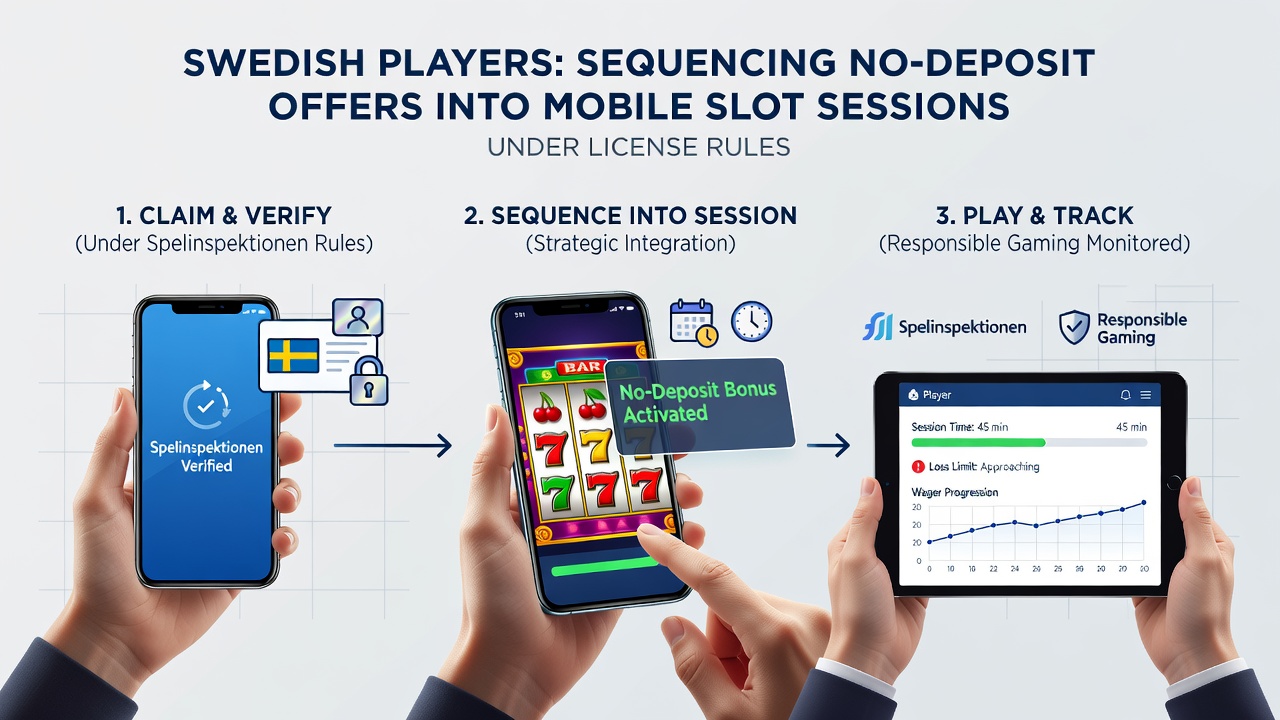
Swedish players approach no-deposit offers by first verifying eligibility through licensed operators that hold permits from Spelinspektionen, and they then align these incentives with mobile slot sessions that respect strict wagering timelines and game contribution rules. Data from regulatory filings shows operators must display clear terms at the point of claim, which influences how users structure their initial plays without depositing funds. Those who study player behavior note that sessions often begin with account creation on approved apps, followed by immediate bonus activation before any real-money commitment occurs.
Regulatory Framework Guiding Sequence Steps
Sweden's licensing system requires that no-deposit offers undergo approval processes that limit maximum win caps and enforce minimum playthrough thresholds, and this setup shapes the order in which players access mobile slots. According to Spelinspektionen guidelines, operators publish these parameters upfront so users can plan rotations across eligible games without violating session limits. Research indicates players typically review contribution percentages for different slot titles first, then select sequences that maximize the bonus lifespan within the allowed period.
Observers note patterns where individuals start with low-volatility titles to stretch the no-deposit balance, and they transition to higher-volatility options only after meeting partial wagering milestones. This approach emerges because license conditions tie bonus validity to specific time windows, often 24 to 72 hours, which forces deliberate pacing during mobile sessions.
Mobile Session Planning and Offer Activation
Players sequence their activities by logging into regulated platforms via smartphones, claiming the no-deposit credit through in-app prompts, and immediately allocating spins across a curated list of qualifying slots. Figures from industry reports reveal that mobile interfaces now incorporate step-by-step trackers that display remaining wagering amounts in real time, which helps users maintain compliance during extended play. Those who've examined transaction logs find that most sequences involve short bursts of 20 to 50 spins per title before switching, a tactic that aligns with rules preventing bonus exploitation through repetitive patterns.
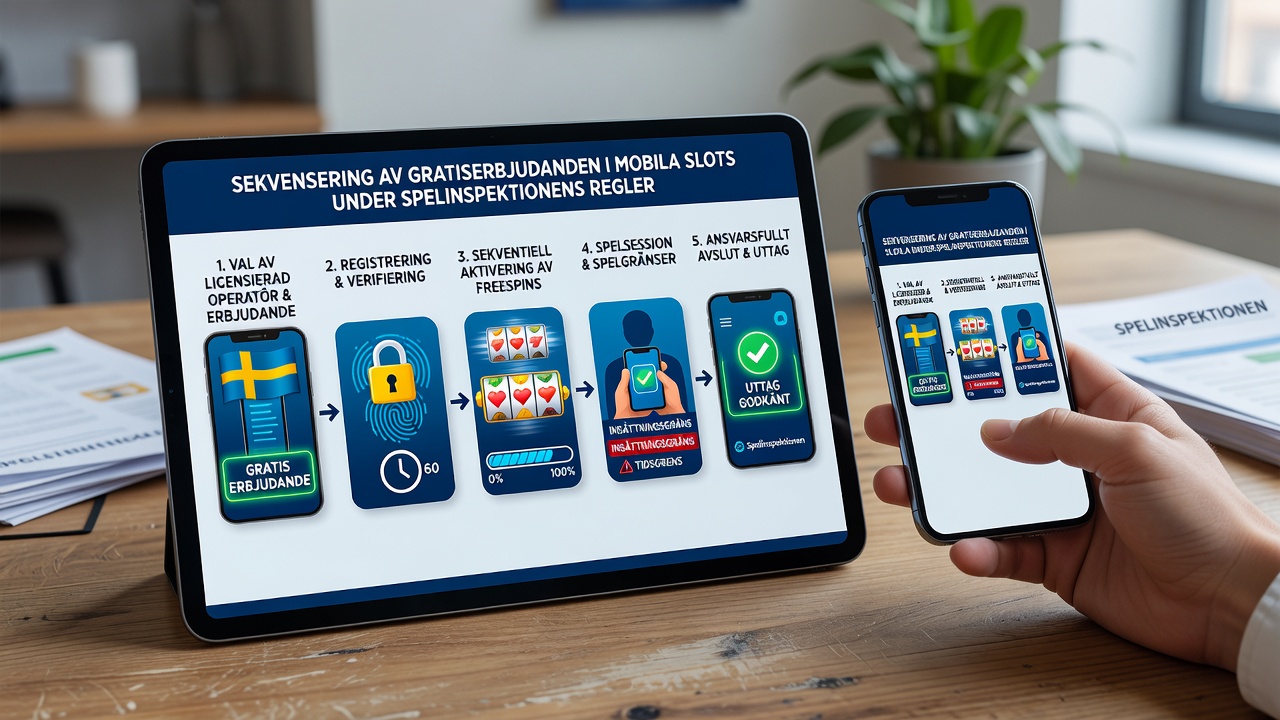
By October 2026, refinements to the national gambling framework had introduced mandatory session reminders that interrupt play every 30 minutes, prompting users to reassess their remaining bonus allocation. This change affects how sequences unfold because players must now factor in these interruptions when mapping out their mobile slot rotations. Evidence suggests the reminders reduce instances of unintended bonus expiration by encouraging deliberate planning rather than continuous spinning.
Examples of Typical Sequencing Patterns
Take one documented case where a player registered on a licensed site, activated a no-deposit offer of 50 free spins, and distributed those spins across three different mobile slots with varying contribution rates. The sequence started with a medium-volatility title contributing 100 percent toward wagering, then shifted to a low-volatility option to preserve balance, and concluded with a high-volatility slot once 60 percent of requirements were met. Studies from European gaming research bodies show similar patterns appear frequently in anonymized session data collected from Swedish operators.
Another pattern involves combining the no-deposit phase with later deposit decisions only after full wagering completion, which license rules permit as long as operators separate the phases clearly. Researchers discovered that mobile users often pause between sequences to check account status through the app dashboard, ensuring no hidden restrictions apply before proceeding.
Compliance Tools and Their Influence on Player Flow
Licensed platforms provide built-in calculators and history logs that display bonus progress, and players integrate these tools into their routines to avoid breaching rules during mobile sessions. Data shows that usage of these features correlates with longer session durations without violations, because users receive instant feedback on eligible game selections. What's interesting is how these tools connect directly to Spelinspektionen oversight, allowing real-time reporting that keeps both operators and players aligned with current standards.
Yet patterns also indicate that some users cross-reference multiple licensed apps in one evening, claiming separate no-deposit offers while maintaining distinct mobile sessions for each. This behavior stays within bounds only when operators enforce single-account policies and cross-check identification details through shared verification systems.
Conclusion
Swedish players continue to refine their approaches to no-deposit offers by embedding them into structured mobile slot sequences that follow every licensing stipulation. Regulatory updates through 2026 have reinforced the need for transparent tracking mechanisms, and data from official sources confirms these measures shape daily play habits across the market. Those monitoring the sector observe that compliance remains central to how offers integrate into regular routines without disrupting the overall experience.