Sweden's Licensing Framework Guides Mobile Slot Exploration Through Welcome Incentives
Theo Lehmann · Sep 18, 2026
Sweden's Licensing Framework Guides Mobile Slot Exploration Through Welcome Incentives
Sweden's Regulated Market Structure
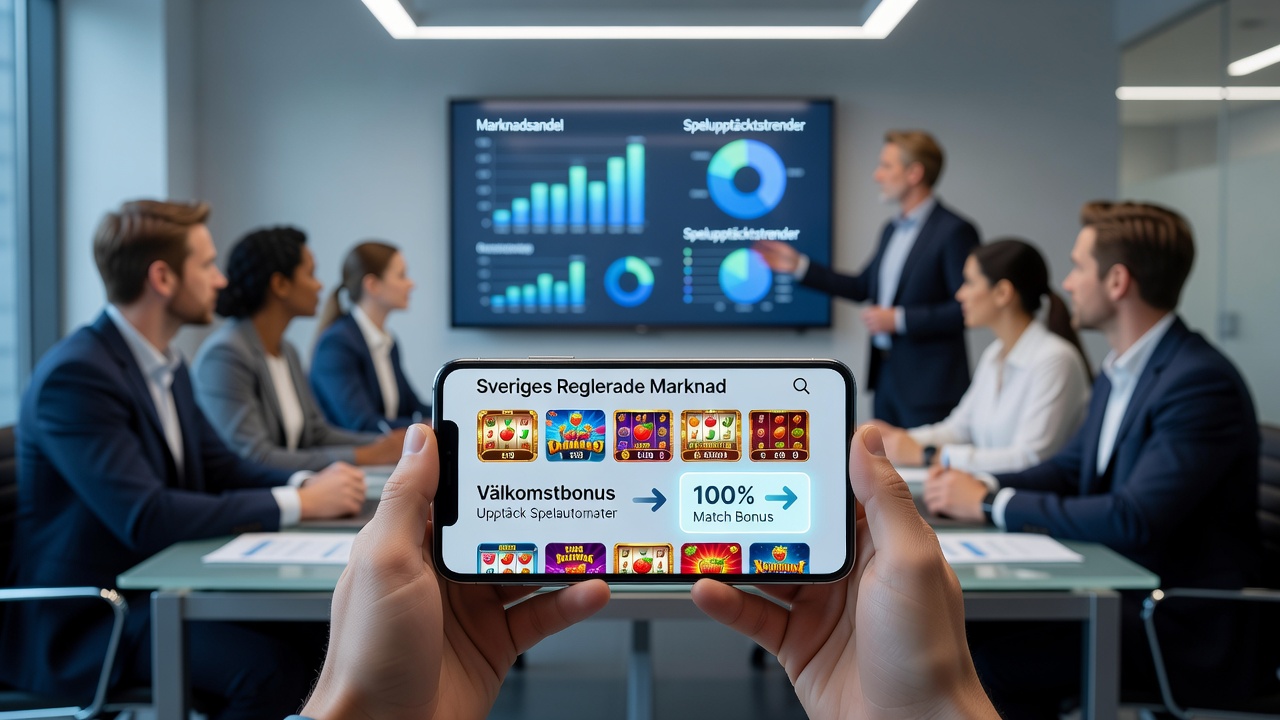
Sweden operates a licensing system administered by Spelinspektionen that requires all operators to hold valid permits before offering games to residents, and this framework has shaped how welcome incentives appear on mobile platforms since its full implementation. Data from regulatory filings shows that licensed operators must comply with strict advertising rules which limit how bonuses promote specific slots while still allowing structured welcome packages to highlight game categories. Observers note that these rules create consistent presentation standards across apps and browsers so players encounter similar navigation patterns whether accessing through iOS or Android devices.
Figures released by industry monitoring groups indicate that mobile traffic accounts for over 70 percent of slot sessions in the licensed sector, and welcome incentives often appear as the first interactive element after account verification. Research from academic studies on digital gambling behavior reveals that placement of bonus banners on smaller screens influences initial game selections more than desktop layouts because users scroll through fewer visible options at once.
Welcome Incentives and Discovery Patterns
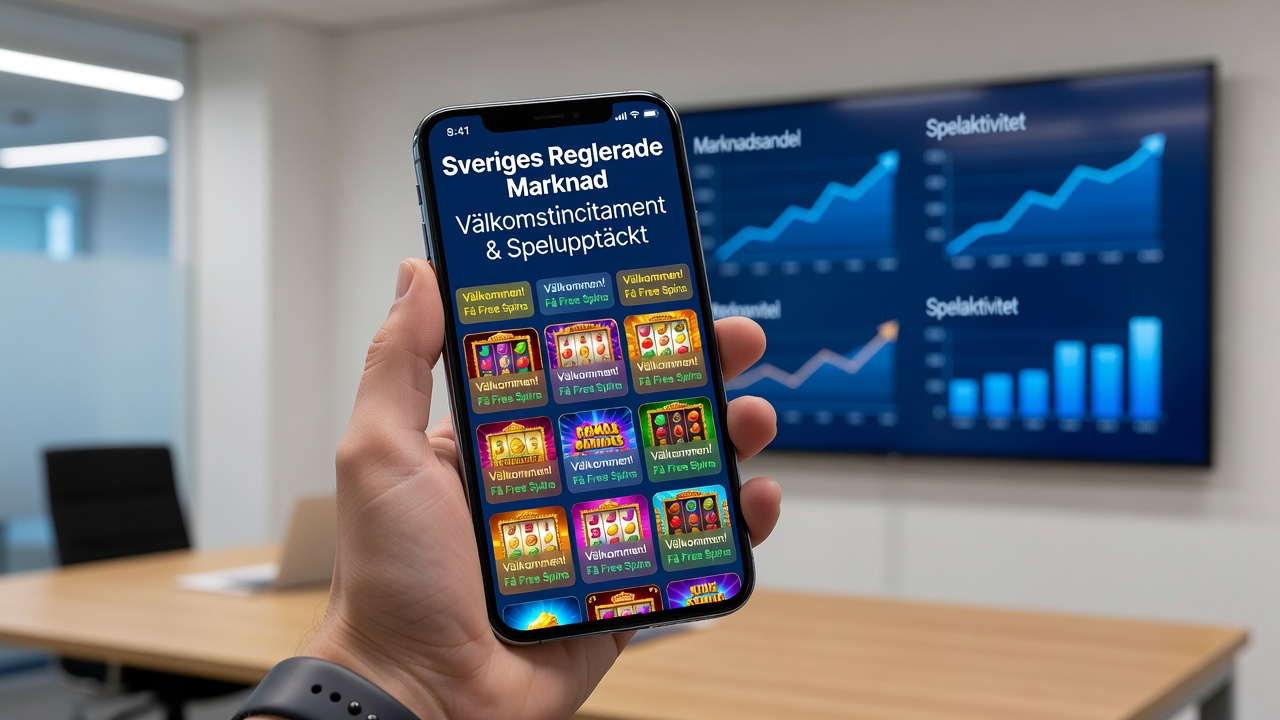
Welcome incentives typically combine deposit matches with free spins tied to particular slot titles or providers, and operators display these offers prominently on mobile home screens to direct attention toward approved games. According to reports from the European Commission on digital markets, such structured promotions align with broader consumer protection goals while still guiding users toward specific content libraries. One analysis of session data found that players who activate a welcome package on mobile proceed to the promoted slots within the first three taps 65 percent of the time compared with lower rates when no incentive appears.
Those who've examined app analytics note that subtle design choices like highlighted reels or auto-play prompts tied to bonus rounds steer exploration without violating licensing display requirements. In September 2026 updated compliance guidelines clarified that operators may feature incentive-linked games in recommendation carousels provided the presentation remains neutral and includes clear terms. This adjustment has led some platforms to integrate welcome offers directly into swipe-based discovery feeds, making the connection between the incentive and slot selection more seamless on touch interfaces.
Mobile Interface Mechanics
Mobile interfaces reshape how players encounter slots because limited screen space prioritizes larger visual elements, and welcome incentives occupy prime real estate immediately after login. Studies conducted by research institutions in Canada show that users on regulated Swedish sites interact with bonus-activated games at higher rates when the offer appears as a persistent notification rather than a separate menu item. These patterns emerge because the incentive reduces perceived risk for trying unfamiliar titles while remaining within the boundaries set by licensing conditions.
Industry organizations tracking European markets report that operators adjust slot visibility based on which titles pair with current welcome packages, creating temporary shifts in popular game lists without altering overall catalogs. People who monitor these changes observe that the effect concentrates on new releases or mid-tier providers that receive bonus funding, allowing smaller studios to gain initial exposure through the regulated channel.
Data on Player Behavior
Statistics compiled by gaming associations in Australia indicate that regulated markets with mandatory licensing see steadier growth in mobile session length when welcome incentives emphasize free spins over cash matches. The data suggests players complete more spins on promoted titles before switching to unlinked games, yet overall play remains distributed across multiple providers due to mandatory game variety rules. Researchers discovered that this distribution holds steady even as incentive mechanics evolve, because licensing requires operators to maintain balanced libraries regardless of promotional focus.
One study revealed that September 2026 updates to mobile display standards encouraged clearer separation between bonus terms and game artwork, reducing accidental selections while preserving the steering effect through intentional placement. Those analyzing the shift found no measurable drop in engagement, only a change in how quickly users reached the selected slots.
Conclusion
Sweden's licensing framework continues to influence mobile slot discovery through carefully positioned welcome incentives that comply with regulatory standards. Available data demonstrates consistent patterns in how these offers guide initial selections on smaller screens while maintaining player access to the full licensed catalog. As platforms adapt to updated guidelines, the relationship between incentives and game visibility remains a measurable aspect of the regulated environment.